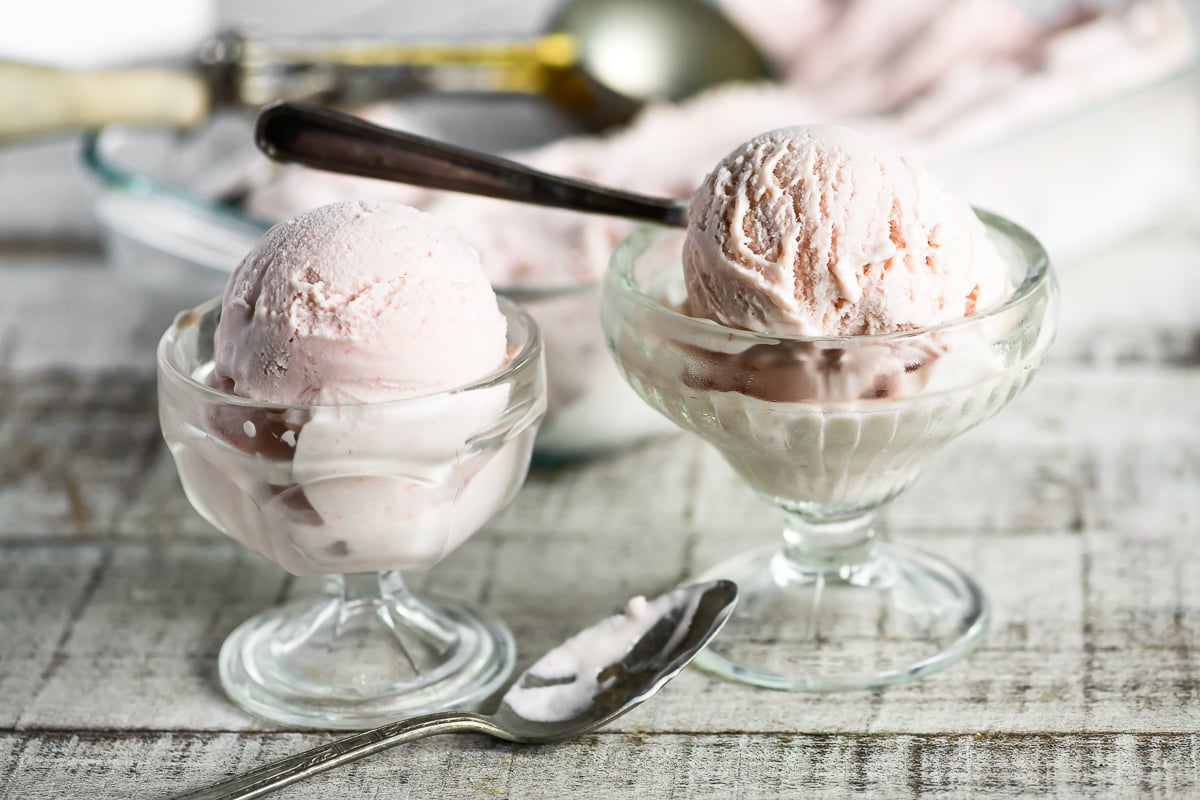
Rhubarb Ice Cream: Expert Tips for Smooth, Flavorful Results
Imagine the vibrant taste of spring captured in a single spoonful: the bright, exhilarating tang of rhubarb perfectly balanced by a velvety, sweet creaminess. This is the magic of homemade rhubarb ice cream, a dessert that manages to feel both wonderfully nostalgic and exhilaratingly fresh. While achieving that perfect harmony of flavor and an impossibly smooth texture might seem like a culinary challenge, with a few expert tips and a solid understanding of the science behind it, you can create a batch that will impress even the most discerning palates.
This comprehensive guide will walk you through the essential steps, from preparing your star ingredient to mastering the delicate art of custard, ensuring your homemade rhubarb ice cream is smooth, scoopable, and bursting with authentic rhubarb flavor. Prepare to transform humble rhubarb stalks into an extraordinary frozen delight!
The Foundations of Irresistible Rhubarb Ice Cream: Flavor and Texture
The secret to truly outstanding rhubarb ice cream lies in two critical components: the intensely flavorful rhubarb compote and the rich, silken custard base. Each plays a pivotal role in achieving that perfect balance of tang and creaminess, while also ensuring a desirable texture that resists iciness.
Crafting the Perfect Rhubarb Compote
Your journey to perfect rhubarb ice cream begins with the rhubarb itself. Selecting fresh, tender stalks and preparing them correctly is paramount. Avoid any woody or discolored pieces, as these can impart an unpleasant fibrous texture and muted flavor. The goal is to create a concentrated rhubarb flavor without introducing excess moisture, which is the nemesis of smooth ice cream.
- Stewing for Success: Gently stewing your trimmed and chopped rhubarb (around 450g / 1 lb) with a precise amount of granulated sugar (approx. 150g / 3/4 cup) and a touch of water (60ml / 1/4 cup) achieves several crucial things. Firstly, it cooks down the rhubarb, breaking it into a soft compote. Secondly, and perhaps most importantly, it concentrates its bright, tart flavor. Thirdly, and critically for texture, this process allows excess moisture to evaporate, preventing your final ice cream from becoming icy and crystalline. If your rhubarb is particularly tart, don't hesitate to increase the sugar by 1-2 tablespoons to find your ideal balance. For an interesting twist, consider using orange juice instead of water for a fruitier undertone.
- Texture is Key: Once cooked, you have a choice to make regarding the compote's texture. For a completely uniform, pale pink ice cream, you can purée the entire compote. However, for a more dynamic experience, blending only part of the compote and leaving some smaller chunks creates a delightful "ribbon" effect of intensified rhubarb flavor and visual appeal without compromising the overall smoothness of the ice cream. An immersion blender or regular blender makes this task quick and easy.
- Taste Before You Mix: A crucial expert tip is to taste your finished rhubarb compote before incorporating it into the custard base. This allows you to make any final adjustments to sweetness or tartness. Remember, flavors can be slightly dulled when frozen, so a compote that tastes "just right" might be perfect.
Mastering the Silky Custard Base
The other half of the equation is the custard. A classic, cooked custard base provides the luxurious body and incredibly creamy mouthfeel that distinguishes premium ice cream. It's the emulsifying power of egg yolks combined with rich dairy that prevents crystallization and ensures a truly smooth, scoopable experience.
- Dairy Duet: The combination of whole milk (240ml / 1 cup) and heavy cream (480ml / 2 cups) is vital. The milk lightens the overall fat content, preventing the ice cream from feeling overly heavy, while the heavy cream delivers the desired richness and signature smooth texture.
- The Power of Yolks: Four large egg yolks (approximately 80g) are the stars here. They act as natural thickeners and emulsifiers, binding the fat and water in the dairy to create a stable, velvety base. The key is to temper them correctly to avoid ending up with scrambled eggs. Slowly whisk a small amount of the hot dairy into the yolks before returning the mixture to the saucepan. Cook over medium-low heat, stirring constantly, until the custard thickens enough to coat the back of a spoon (around 170-175°F / 77-79°C). An instant-read thermometer is your best friend here, ensuring accuracy and preventing overcooking.
- Chilling is Critical: After cooking, strain the custard through a fine-mesh sieve for ultimate smoothness, then chill it thoroughly – ideally overnight – before churning. This step is non-negotiable! A well-chilled base significantly reduces the size of ice crystals during churning, leading to a much smoother, more luxurious texture.
Essential Ingredients and Their Impact
Every ingredient in your rhubarb ice cream recipe plays a specific role, contributing to its overall flavor, texture, and appeal. Understanding these roles helps you make informed choices and, if needed, smart substitutions.
- Rhubarb: The Star. As mentioned, quality is key. Its natural tartness and beautiful pink hue are irreplaceable. If you're using exceptionally sweet rhubarb varieties, you might slightly reduce the sugar in the compote.
- Granulated Sugar: Sweetness & Structure. Beyond just sweetening, sugar acts as an antifreeze, contributing to the ice cream's soft, scoopable texture. While reducing sugar for a less sweet profile is possible, be mindful that drastic reductions can lead to a harder, icier final product.
- Whole Milk & Heavy Cream: Richness & Body. The fat content in these dairy products is crucial for a creamy mouthfeel and preventing large ice crystals. Higher fat content generally yields a richer, smoother ice cream.
- Egg Yolks: Emulsification & Thickness. They are the backbone of a classic custard-based ice cream, providing unparalleled smoothness and body. For those seeking an egg-free option, explore No-Churn Rhubarb Ice Cream: Easy, Egg-Free & Refreshing methods, which typically rely on condensed milk or alternative thickeners.
- Vanilla Extract: Flavor Rounder. A good quality vanilla (like Nielsen-Massey) isn't just a sweetener; it enhances the overall sweetness and rounds out the complex flavors, allowing the rhubarb to shine even brighter.
- Lemon Zest & Juice: Brightness & Balance. A touch of lemon zest and juice is a secret weapon. It amplifies the rhubarb's natural tang, preventing the ice cream from tasting flat, and beautifully balances the sweetness of the sugar. Don't skip it!
- Fine Sea Salt: Flavor Amplifier. Just a pinch of fine sea salt (around 1/8 tsp) seems insignificant, but it works wonders to amplify all the other flavors, making the sweet notes sweeter and the tart notes more pronounced.
Equipment and Techniques for Success
Having the right tools and understanding proper techniques can significantly elevate your homemade rhubarb ice cream experience.
Key Kitchen Tools
- Saucepans: A medium saucepan (2-3 qt / 2-3 L) for stewing the rhubarb and a heavy-bottomed saucepan (2 qt / 2 L) for the dairy are essential. Heavy bottoms prevent scorching of the milk and cream.
- Instant-Read Thermometer: Absolutely critical for accurately cooking your custard to the right temperature, ensuring safety and optimal thickening without curdling the eggs.
- Fine-Mesh Sieve: For straining both the rhubarb compote (if a perfectly smooth texture is desired) and, more importantly, the custard base to remove any small cooked egg bits, guaranteeing a silky smooth result.
- Blender: An immersion blender makes quick work of puréeing part of your rhubarb compote directly in the saucepan. A regular blender works just as well.
- Ice Cream Maker: A home countertop ice cream maker is invaluable for churning your custard into creamy ice cream. The churning process introduces air and breaks down ice crystals, resulting in that desirable smooth texture.
Churning vs. No-Churn Methods
While a dedicated ice cream maker offers superior texture, it's not the only path to delicious rhubarb ice cream. The churning process rapidly chills and constantly agitates the base, preventing large ice crystals from forming. For a churned ice cream, follow your maker's instructions for pre-freezing the bowl and churning time, which typically ranges from 20-30 minutes until the ice cream resembles soft-serve.
If you don't own an ice cream maker, a no-churn method is a fantastic alternative. These recipes often rely on whipping heavy cream and folding it into a sweetened condensed milk base with your rhubarb compote. While the texture might be slightly different – often a bit lighter and airier – it still delivers incredible flavor. For an easy, egg-free option, be sure to check out our detailed guide on No-Churn Rhubarb Ice Cream: Easy, Egg-Free & Refreshing.
Expert Tips for Texture Perfection
- Thorough Chilling is Paramount: We can't stress this enough. A cold base churns more efficiently, resulting in smaller ice crystals and a smoother ice cream. Don't rush this step!
- Don't Over- or Under-Churn: Churn until the ice cream reaches the consistency of soft-serve. Over-churning can lead to a grainy texture, while under-churning means it will be too soft and icy in the freezer.
- Proper Storage: Transfer your freshly churned ice cream to an airtight container immediately. For best results, press a piece of plastic wrap directly onto the surface of the ice cream before sealing the container. This prevents freezer burn and keeps your ice cream fresh and smooth for longer. Freeze for at least 4-6 hours to allow it to firm up to a scoopable consistency.
Troubleshooting Common Rhubarb Ice Cream Challenges
Even with expert tips, sometimes things don't go exactly as planned. Here are solutions to common issues:
- Icy Texture:
- Too Much Moisture: Ensure your rhubarb compote is adequately cooked down and not watery.
- Insufficient Fat/Eggs: Stick to the recipe's dairy and egg yolk quantities; they're crucial for creaminess.
- Not Chilled Enough: A warm base will always result in icier ice cream.
- Grainy Custard:
- Eggs Scrambled: You likely cooked the custard too quickly or at too high a heat. Always cook over medium-low, stirring constantly, and use your thermometer!
- Not Strained: Skipping the sieve can leave small cooked egg bits in your custard.
- Weak Rhubarb Flavor:
- Compote Not Concentrated: Ensure the rhubarb has cooked down sufficiently.
- Overpowering Flavors: While vanilla and lemon are great, ensure they enhance, not mask, the rhubarb. Adjust to your specific rhubarb's intensity.
Creating sensational rhubarb ice cream is a rewarding culinary journey that combines careful preparation with a dash of passion. By focusing on a well-cooked rhubarb compote, a perfectly executed custard base, and diligent chilling, you'll unlock the secrets to an irresistibly smooth, intensely flavorful frozen dessert. Remember these expert tips, and you'll consistently achieve perfect results, transforming simple spring rhubarb into an unforgettable treat. For even more detailed guidance on achieving that ideal tang and creaminess, be sure to explore our article on Homemade Rhubarb Ice Cream: Achieve Perfect Tangy Creaminess. Happy churning!
